Construction and industrial sites rely heavily on motorized equipment and vehicles to get work done efficiently. From excavators and loaders to pickup trucks and utility vehicles, these machines are essential—but they also bring significant risks if not managed properly. Creating a safe work environment requires more than rules on paper; it demands awareness, discipline, and a shared commitment to responsible operation.
This article highlights practical best practices for the safe use of heavy equipment and light vehicles, drawing on widely accepted safety principles used across the industry.
Contents
Why Equipment Safety Matters
Motorized equipment incidents remain one of the leading causes of injuries on work sites. Common risks include:
- Vehicle collisions
- Workers struck by moving equipment
- Rollovers on uneven ground
- Contact with overhead power lines
- Injuries during maintenance or refueling
Most of these incidents are preventable when equipment is operated correctly, maintained properly, and supported by trained personnel.
Operator Competency: The First Line of Defense
Safe operation begins with the operator. Anyone driving or operating equipment must:
- Hold a valid driving license appropriate to the vehicle type
- Be physically and mentally fit for the task
- Understand site-specific traffic rules and hazards
- Display a responsible and alert attitude at all times
Operators should carry proof of authorization while driving and must immediately stop operating if their license or permit status changes.
Daily Inspections: Spot Problems Before They Escalate
Before starting any shift, operators should conduct a walk-around inspection to ensure equipment is in safe working condition. Key checks include:
- Fluid, fuel, and coolant levels
- Tire condition and inflation
- Brakes, steering, lights, and warning alarms
- Hydraulic hoses and connections
- Mirrors, windshields, and visibility aids
- Clean steps, handrails, and operator cabins
If a fault could cause injury or equipment damage, the machine must be taken out of service until repaired.
Safe Operating Practices on Site
Once equipment is in motion, disciplined operation is critical:
- Always wear seat belts and required protective equipment
- Maintain safe speeds suited to terrain and visibility
- Keep a safe distance from edges, slopes, and excavations
- Never operate equipment beyond its rated capacity
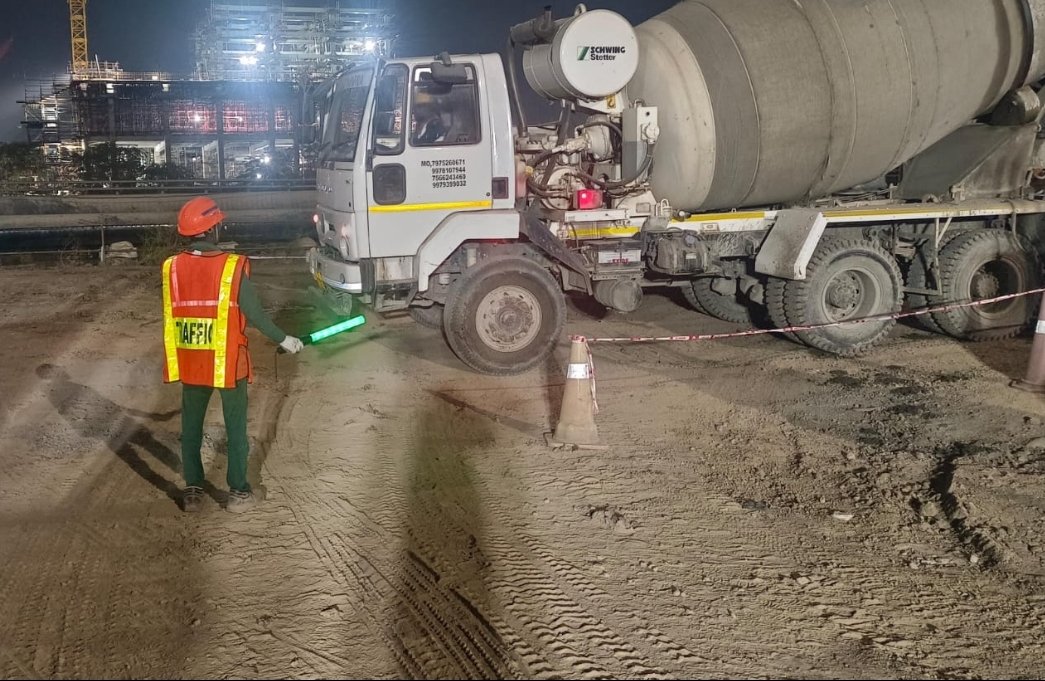
- Use a signal person when visibility is obstructed
- Keep pedestrians well clear of operating zones
- Avoid working under suspended loads or raised components
Reversing alarms, mirrors, and clear communication play a vital role in preventing blind-spot accidents.
Managing Traffic and Road Safety
On-site roads should follow clearly defined traffic rules:
- Speed limits must be strictly enforced
- Pedestrians always have the right of way
- Heavy equipment has movement priority based on operational needs
- Overtaking moving earthmoving equipment should be prohibited
- Parking should only be done in designated areas, with brakes set and wheels chocked where necessary
Good traffic management reduces confusion and prevents collisions.
Refueling and Maintenance Safety
Seemingly routine activities like refueling and maintenance carry hidden dangers:
- Engines must be shut off during refueling
- Smoking and hot work must be prohibited nearby
- Spills should be avoided and cleaned immediately
- Fire extinguishers must be readily available
- Maintenance must follow manufacturer recommendations
Proper records of servicing and inspections help ensure long-term equipment reliability and safety.
Training Builds Confidence and Safety
Training is not a one-time event. Operators should receive:
- Initial training before assignment
- Practical demonstrations and supervised operation
- Periodic refresher training
- Reassessment when assigned new equipment types
Well-trained operators are more confident, more productive, and far less likely to cause accidents.
Creating a Safer Work Environment
Safety does not rest on operators alone. Supervisors, managers, and workers on foot all play a role by:
- Respecting exclusion zones
- Following signals and instructions
- Reporting unsafe conditions
- Never assuming an operator has seen them
A strong safety culture is built when everyone takes responsibility—not just for themselves, but for those around them.
Motorized heavy equipment and light vehicles are powerful tools that demand respect. By combining proper training, thorough inspections, disciplined operation, and clear communication, organizations can significantly reduce risks and protect their workforce.
Safety is not about slowing work down—it’s about making sure everyone goes home safe at the end of the day.