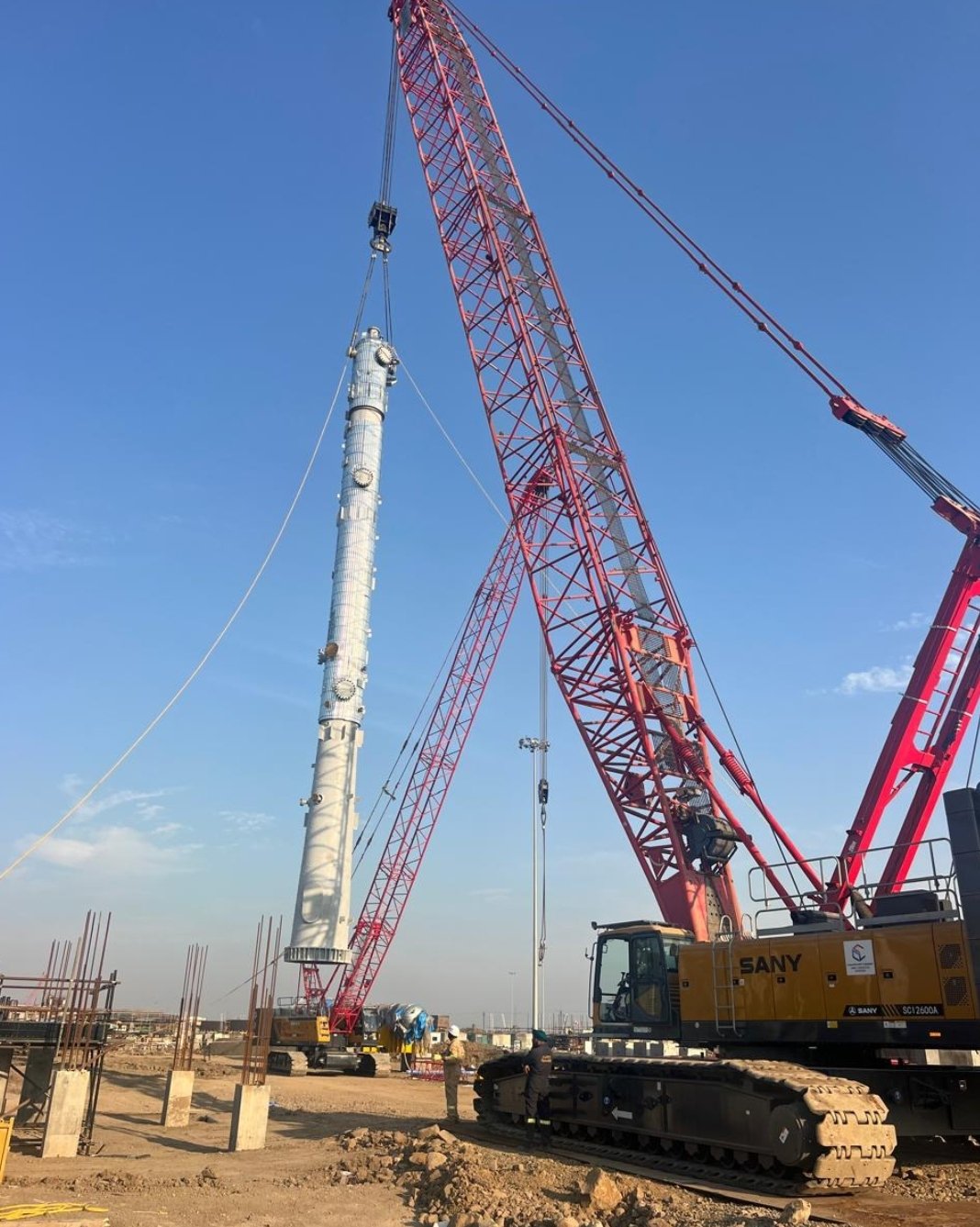
In construction and industrial projects, cranes and rigging operations play a major role in moving heavy, oversized, and complex loads. While these activities are very important, they also carry some of the highest safety risks on a job site. A strong focus on planning, competence, and safe execution is the foundation for preventing accidents and protecting lives.
This post highlights key principles that every project team should follow to ensure safe and efficient crane and rigging operations.
Contents
Why Crane and Rigging Safety Matters
Cranes operate at height, handle substantial loads, and interact with people, structures, and equipment in constantly changing environments. Failures can lead to serious injuries, equipment damage, project delays, and even fatalities. Most crane incidents are preventable when proper systems, training, and controls are in place.
A proactive safety approach ensures:
- Controlled lifting operations
- Protection for workers and nearby personnel
- Compliance with statutory and industry standards
- Reduced downtime and operational risk
Planning Comes Before Lifting
Every successful lift starts long before the crane is put into operation. Proper planning helps identify hazards and ensures that the right equipment and resources are used.
Key planning elements include:
- Understanding the weight, shape, and center of gravity of the load
- Selecting a crane with adequate capacity, radius, and boom configuration
- Evaluating ground conditions, including soil type, leveling, and load‑bearing capacity
- Identifying nearby hazards such as power lines, structures, excavation edges, and underground services
For complex or high‑risk lifts, a detailed lifting plan and risk assessment should always be prepared and reviewed by competent personnel.
Competency: The Backbone of Safe Operations
Cranes are only as safe as the people who operate and support them. Competency, validation, and experience are essential for everyone involved in lifting activities.
This includes:
- Trained and authorized crane operators
- Qualified riggers and signal persons
- Supervisors who understand lift planning and execution
- Engineers who can assess loads, stability, and site conditions
Regular refresher training, skills assessments, and medical fitness checks help maintain high standards and prevent complacency on site.
Managing Common Crane Risks
Several hazards are commonly associated with crane operations, but effective controls can significantly reduce these risks.
1. Crane Stability and Overturning
Maintaining stability requires:
- Fully deployed outriggers where applicable
- Proper ground preparation using pads, timbers, or mats
- Operating within the crane’s rated capacity and load chart
2. Falling Objects
Loads must be properly secured, balanced, and controlled. Lifting over people should always be avoided, and lifting zones must be barricaded.
3. Contact With Power Lines and Structures
Adequate safety clearances, permits, visible warnings, and the use of spotters help prevent dangerous contact.
4. Poor Visibility and Illumination
Lifting operations must not proceed in conditions of inadequate lighting, heavy rain, fog, or high winds. Proper illumination is essential, especially during night work.
Inspections and Maintenance Save Lives
Routine inspections ensure that cranes and rigging equipment remain in safe working condition. These checks should be systematic and well documented.
Inspection levels typically include:
- Daily pre‑use checks by operators
- Periodic inspections by competent persons
- Annual or statutory inspections by authorized agencies
Any defective equipment must be immediately removed from service and clearly tagged to prevent accidental use.
Working at Night and in Adverse Conditions
Night lifting and work in challenging weather conditions require extra precaution. Adequate lighting, clear communication, reduced work hours, and stricter supervision become critical factors.
As a best practice:
- Avoid heavy or complex lifts at night whenever possible
- Conduct additional risk assessments for visibility, weather, and fatigue
- Ensure emergency response plans are clearly understood
Special Lifts Require Special Care
Certain lifts demand heightened control, including:
- Lifting personnel using man baskets or platforms
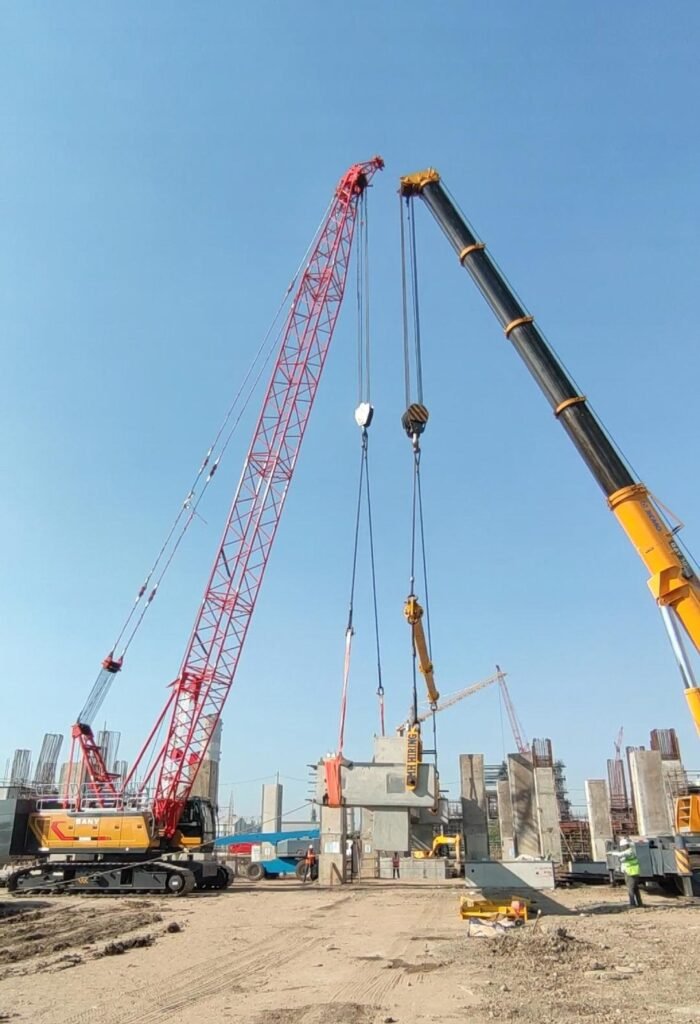
- Heavy, tandem, or multi‑crane lifts
- Work near operating plants or public areas
Such operations should only proceed when safer alternatives are not feasible and after all approvals, inspections, and trial lifts have been completed.
Building a Zero‑Incident Culture
Safe crane and rigging operations are not just about procedures—they reflect a project’s safety culture. Open communication, strong supervision, respect for rules, and the authority to stop unsafe work empower teams to prevent incidents before they happen.
When safety becomes a shared responsibility, every lift becomes a planned, controlled, and confident operation.
Final Thoughts
Cranes and rigging will always be a high‑risk activity, but risk does not have to lead to accidents. Through careful planning, competent execution, regular inspections, and clear communication, lifting operations can be carried out safely and efficiently.