Working around elevated platforms, catwalks, and industrial structures often requires removing grating, floor plates, or guardrails. While these tasks may appear routine, they introduce fall hazards if not carefully controlled. Many workplace accidents happen not because of complex technical failures, but because simple protective barriers were removed without the right precautions.
This blog shares practical, field-tested best practices for safely removing and reinstalling grating, floor plates, and guardrails…ensuring every worker returns home safely.
Contents
Why This Work Is High-Risk
Any time an opening is created in a walking or working surface, there is potential for:
- Falls from height
- Dropped-object hazards
- Trips, slips or structural instability
- Uncontrolled access to dangerous areas
Because these hazards are predictable the safety measures must be planned, deliberate and consistent.
1. Always Start With Safety Review
Before touching a single bolt or clamp.. supervisors and workers should evaluate:
- Is removal truly necessary?
Sometimes tasks can be completed without disturbing existing protection. - What is the minimum area that must be opened?
Smaller openings mean reduced exposure. - Are the right personnel assigned?
Only trained and competent workers should remove or reinstall structural components like grating or guardrails.
A hazard assessment, job safety analysis, or similar tool ensures all parties understand the risks and controls.
2. Use Proper Permits and Documentation
Safe execution relies on structured planning. Before removal work begins:
- A dedicated checklist or permit should be filled out.
- Workers should review the requirements in a pre-task safety meeting.
- Permits must be easily visible at the job location.
Permits are not paperwork….they are a safety communication tool.
Maintain records of floor opening
3. Protect the Opening Immediately
No opening should ever be left exposed. There are two acceptable protective methods:
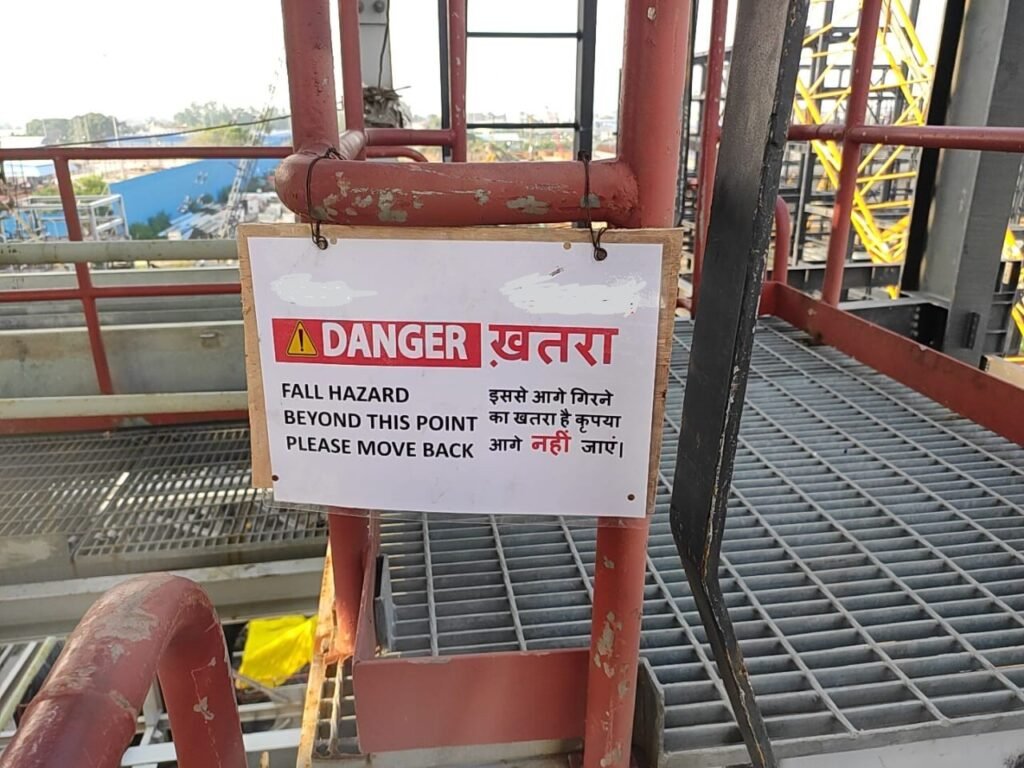
A. Rigid Barricades or Guardrails
These must:
- Fully enclose the opening
- Be built using strong materials like pipe or angle iron
- Have a top rail and midrail at regulated heights
- Allow only a designated access point
- Provide fall protection for workers inside the barricade boundary
B. Properly Engineered Floor Hole Covers
Covers must:
- Support at least twice the maximum expected load
- Be secured so they cannot shift
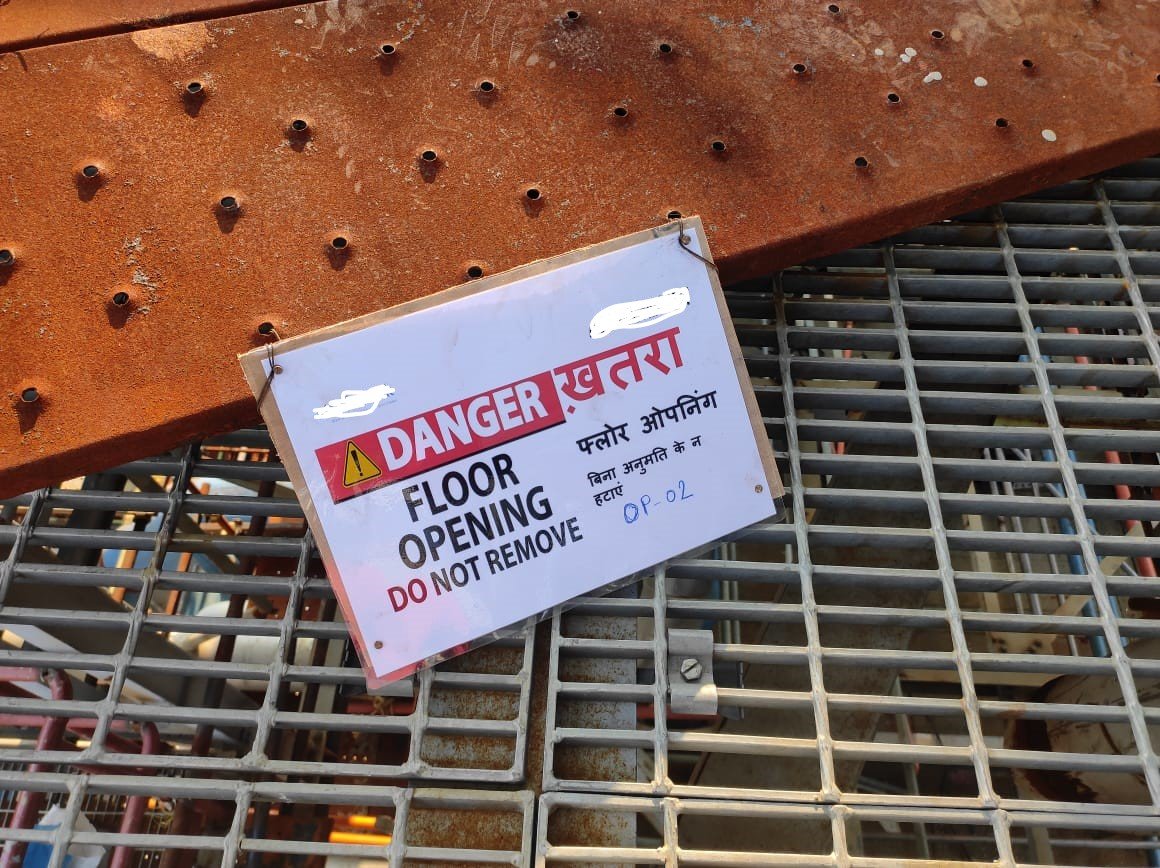
- Display clear warnings such as “Danger – Hole Cover – Do Not Remove”
Both methods are effective when installed correctly.
4. Safe Handling of Gratings and Floor Plates
Even when no fall risk exists, handling these heavy steel components is hazardous. Workers should:
- Use proper PPE including gloves, safety footwear, helmets and high-vis gear
- Confirm the weight before lifting
- Use lifting tools…not fingers…to avoid pinch points
- Request team assistance for heavy or awkward pieces
- Maintain stable footing while prying or lifting
- Be alert for shifting plates or bars that may slip
Thoughtful handling prevents injuries like crushed fingers, strained backs, and sudden slips.
5. Keep the Area Below Safe
Work above ground often creates hazards for workers below. Before any removal begins:
- The area underneath must be barricaded or flagged
- Signage should inform others about overhead hazards
- Unauthorized access must be restricted until the work is complete
This simple step prevents the most common struck-by injuries.
6. Reinstallation: Not Just the Reverse of Removal
Putting plates or gratings back in place requires the same attention as removal:
- Ensure bordering plates are secure and cannot slip
- Organize removed parts so they do not create trip hazards
- Reinstall components exactly as designed
- Tighten all clamps, clips, ties, or fasteners
- Conduct a final inspection before removing barricades or covers
A rushed reinstallation can introduce hidden hazards for future workers.
7. Adopt a Culture of Continuous Safety
Safe grating and guardrail removal is not just procedure…it’s culture. Leaders and workers should promote:
- Good housekeeping
- Respect for barricades
- Constant hazard awareness
- Open communication
- Zero-tolerance for shortcuts
When everyone takes ownership of safety, incidents decline dramatically.
Removing grating, floor plates or guardrails is common in construction and maintenance work.. but it’s never risk-free. The key is anticipation, planning, and disciplined execution. With the right controls in place—rigid barricades, engineered covers, trained personnel, and documented planning…..these tasks can be performed safely and efficiently.
A safe opening is one that workers planned for, protected and respected.